


Probably—almost surely—Lorne Michaels doesn’t fascinate everyone.
Maybe you have to have been in his orbit—his very wide orbit—to want to see and hear everything about his now-iconic stewardship over the most famous comedy show in the history of television.
Or you could simply have been a fan of, or even just an occasional viewer of, Saturday Night Live to realize that this one television producer has had immense influence on television, entertainment, and American culture, writ large.
That describes a vast number of people. SNL has been on for more than half a century, after all; few in America could say they are unfamiliar with it.
Especially after the Olympics-level celebrations that stretched for weeks around the show’s 50th anniversary last year.
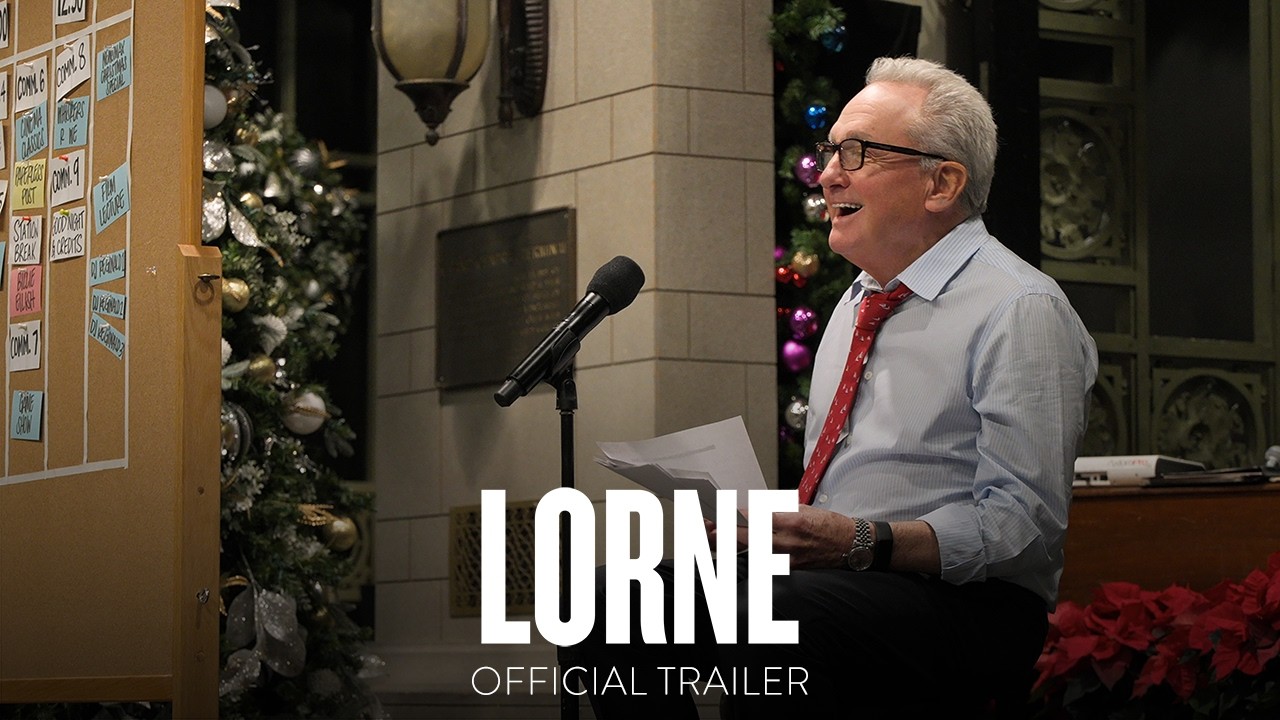
But even for that outsized group,the instinct to ask “too much?” might be inevitable when it comes to a separate documentary film about Michaels (inevitably titled Lorne) opening in theaters across the country this week.
Speaking as someone who saw the first episode of SNL and a great majority of the ones since, who first interviewed Michaels that premiere season, and many times since, I had absolutely no sense of “enough already” watching this absorbing, insightful, and completely delightful film by Morgan Neville.
Much is made early on of Lorne’s reluctance to allow the level of professional and personal exposure a bio-doc requires. He is on camera looking skeptical, dismissive, and not fully willing to participate.
But nobody understands the show-business game better than Lorne Michaels—and very few play it better. He eventually opens up his world—from childhood scenes in home movies, to the intensity of a high-achieving career, to an almost mystical embrace of the natural order of things later in life.
And his multi-generational entourage—comedy stars he birthed, showcased, and sent out into the world of fame—appear, analyzing and lauding him, with unaffected warmth and playfully daunted recollections.
The film adopts the same framework as last year’s impressive, comprehensive published biography of Michaels by Susan Morrison, also inevitably called Lorne. The bio sections are bracketed by shots of the show’s weekly creative process in progress—from opening dinner with the host to all-night writing marathons.
Then come pitches of sketches, selecting which to mount, rehearsals, frequently unimpressed reaction, rewrites, and, something I had not seen before: a kind of locker room speech from the coach to the assembled cast in which he emphasizes that everybody’s best effort is the standard he expects.
These scenes are culled from several different shows from different years. Among the hosts who are captured in the process are Ryan Gosling, Emma Stone, Kate McKinnon, and Ayo Edebiri.
Cast members from several seasons back pass through during the show-in-progress scenes, suggesting the documentary goes back some time before the anniversary bash.
Other scenes, displaying a notably younger Lorne, seem to be from earlier doc-style coverage when Michaels was caught on camera.
Some of the biographical material is familiar, like his early comedy work in Canada, though archival film of him in the comedy team of Hart & Lorne shows a young man of ambition (and impressive mustache), with some especially revealing scenes of Michaels “breaking” mid-sketch, one of his most stringent prohibitions on SNL (frequently transgressed).
Of course, many of the surviving cast are interviewed, all the way back to Chevy Chase. The passage of time is evident in clips followed by more recent comments—from the likes of the older versions of Dana Carvey, Adam Sandler, and Mike Myers.
Several earnest audition tapes are included, featuring people like Will Ferrell and Phil Hartman.
More recent stars—and those still close to Michaels—predominate. Michael Che and Colin Jost appear together and share “Update”-like observations of the boss.
Bill Hader, Fred Armisen, and others kick around memories of complete intimidation.
But most affecting are the comments from stars who have connected on a deep level with Michaels: Kristen Wiig, Alec Baldwin, Tina Fey. Of course, Paul Simon, Lorne’s closest friend for 50 years, relates moments of an extraordinary relationship—like the time they were pulled over on the road by a cop who recognized Paul and asked for an autograph (captured on camera by the passenger, Michaels).
Another frequent host and longtime pal, Steve Martin, shares a dinner at Orso (where Michaels eats every Wednesday, apparently) and makes fun of him always ordering the pasta bolognese.
Network figures are represented in animated scenes produced by Robert Smigel and his old “TV Funhouse” producing partners. One, Don Ohlmeyer, became perhaps the show’s most famous bête noire for pushing out some truly big-name cast members, headed, of course, by Norm Macdonald, whose jokes about Ohlmeyer’s close friend, O.J. Simpson, led to his exit.
Another animated scene features a now-obscure NBC top executive named Irwin Segelstein (voiced by famed SNL head writer Jim Downey) who is depicted explaining to the young Lorne (voiced by Smigel) how the network doesn’t care if he quits because the network is “eternal.”
I recognized the anecdote: it was word-for-word how Lorne once described to me why quitting on principle is not a great career move.
The commentary is engaging, but what makes Neville’s work exemplary is that he never forgets that he is making a bio-doc about a man who is defined by comedy. Neville captures sketches in progress, sometimes in passing, but enough to kick off laughs—like Heidi Gardner’s helpless “breaking” at the sight of Mikey Day’s Beavis sitting behind her.
One killer story comes from Conan O’Brien, who notes the massive role Michaels played in his career ascension but also how he remains a figure of mystery and intimidation. This comes after scenes of Michaels exploring his remote Maine property, communing with nature and making blueberry jam for close friends.
Conan says he has been occasionally haunted by a scene out of the famous short story “The Most Dangerous Game” where Lorne, armed with a hunting rifle, has sent Conan out into the Maine wilderness with a 45-minute head start.
John Mulaney, another young talent nurtured and ultimately protected by Michaels, goes in the opposite direction. He describes a benevolent presence, in his life and those of others, whose humanity is as important as his influence.
Lorne is now playing in theaters nationwide.
Get stories like this in your inbox: Sign up for LateNighter’s free daily newsletter.




The truth about Michaels isn’t going to come out until he’s dead and gone.
He’s a huge star fucker and can be incredibly passive aggressive and very petty.
No one wants to say anything about him because they know they’ll be consequences.